Weddings have been at the forefront of my mind for the last few months, as our daughter just got married. There are a jillion details that go into planning a wedding—and even more when you’re doing a DIY wedding. I wore the hats of caterer, crisis manager, decorator, hairstylist, cake decorator, pianist, wedding planner, florist, and part of the setup and cleanup crew. It was truly a labor of love, and I’m so thankful for the experience, but by the time we unpacked the trucks full of DIY gear, I felt like I had been poured out to the last drop.
Watching our daughter so filled with love, joy, and radiance was worth every ounce of effort. Our new son-in-law is a man who deeply loves God, and that was evident throughout the entire day.
When people have shared their favorite moments from the wedding and reception, many have mentioned the vows—particularly Ryan’s vows to Rachel. They were gospel-centered, sacrificial, humble, and deeply moving. My words can’t fully do them justice.
And isn’t that what a wedding is?
The beginning of a new life together. Two people pledging love and making vows, knowing they cannot keep them perfectly and that grace will be needed to cover every shortcoming along the way.
This thread of weddings and marriage runs deep through the pages of Scripture. We see the first union of marriage with Adam and Eve, and while they didn’t walk down an aisle in the traditional sense, they were united in the sight of God.
Genesis 2:22–25 “And the rib that the Lord God had taken from the man he made into a woman and brought her to the man. Then the man said, ‘This at last is bone of my bones and flesh of my flesh; she shall be called Woman, because she was taken out of Man.’ Therefore a man shall leave his father and his mother and hold fast to his wife, and they shall become one flesh. And the man and his wife were both naked and were not ashamed.”
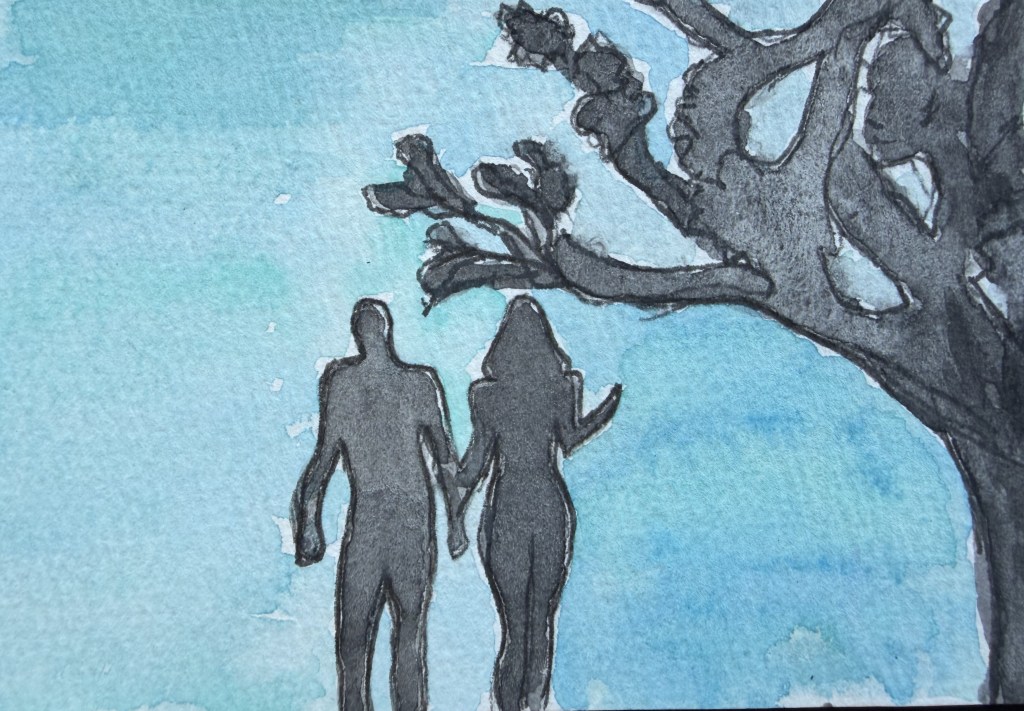
From the beginning, marriage was created by God as a covenant relationship marked by unity, intimacy, and trust. Before sin entered the world, Adam and Eve experienced perfect fellowship with God and with one another—fully known and completely unashamed.
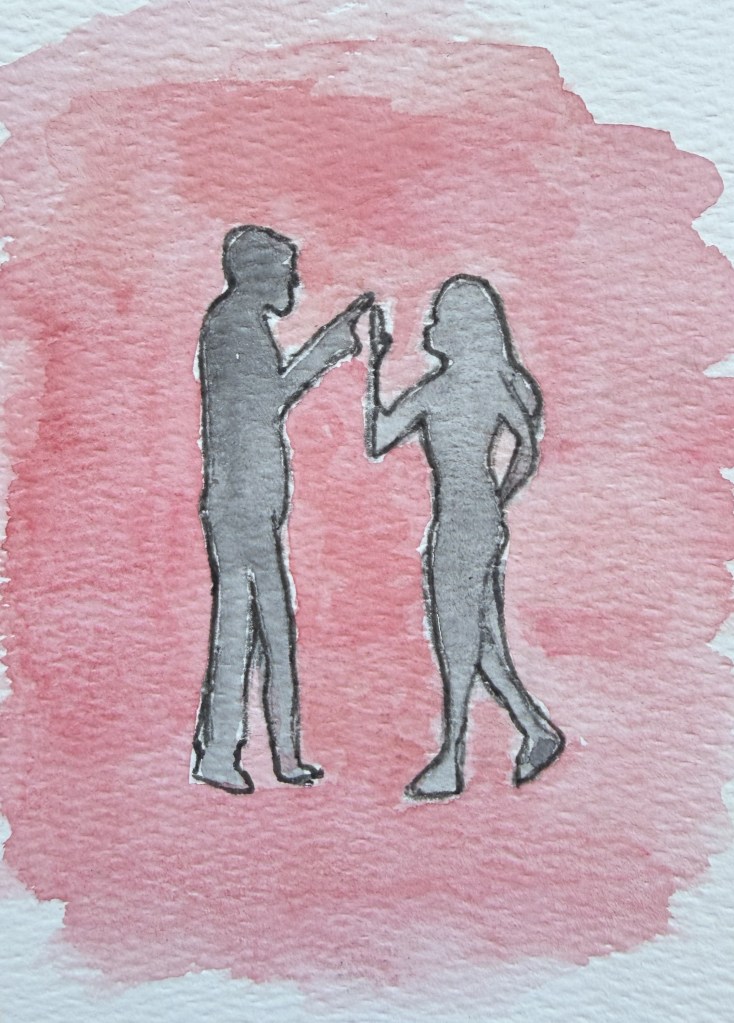
When sin entered the world, it didn’t just affect humanity’s relationship with God—it also fractured the relationship between husband and wife. Shame replaced innocence, blame replaced unity, and selfishness began to war against the selfless love God intended for marriage.
Many of the struggles we experience in marriage today can be traced back to the effects of sin: pride, selfishness, lack of forgiveness, jealousy, anger, dishonesty, control, lust, and broken communication. Instead of serving one another in love, we often fight to protect our own desires, opinions, and comfort.
Prophets throughout the Old Testament compared Israel to an unfaithful wife who chases after idols, forsaking her true love, Yahweh. We see the elongated metaphor in the book of Hosea where Yahweh is broken because Israel loved everyone and everything over God. But God continues to take back as his bride, the unfaithful nation of Israel.
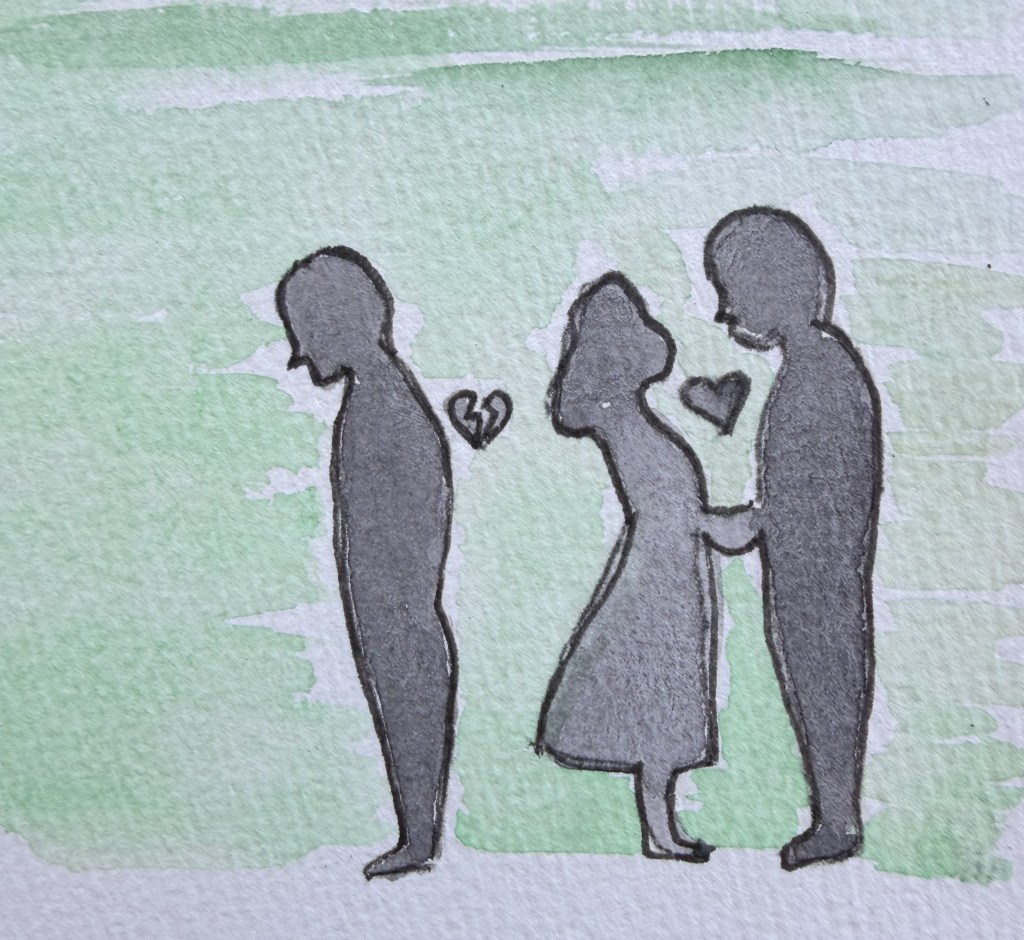
Then in the New Testament, marriage is compared to Jesus’ great love for the church. Ephesians 5: 25-28 “Husbands, love your wives, as Christ loved the church and gave himself up for her, that he might sanctify her, having cleansed her by the washing of water with the word, so that he might present the church to himself in splendor, without spot or wrinkle or any such thing, that she might be holy and without blemish. In the same way husbands should love their wives as their own bodies. He who loves his wife loves himself.”
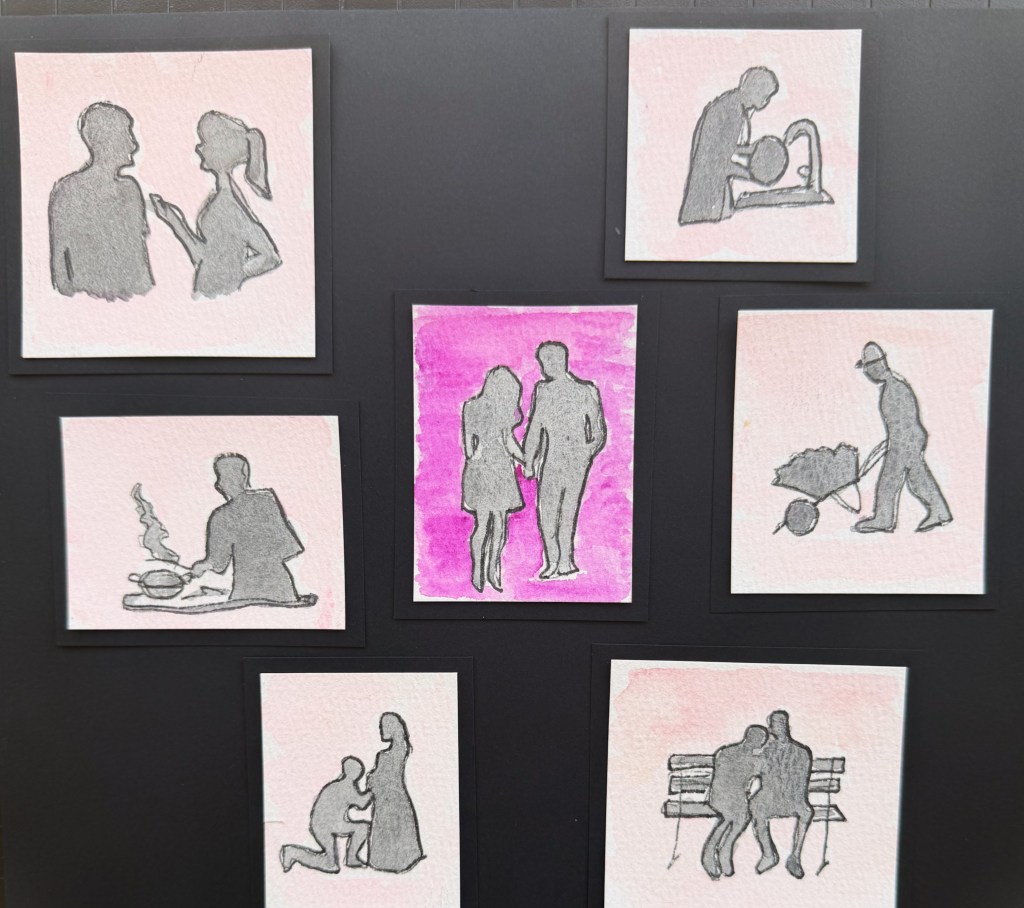
The Bible calls husbands to love their wives sacrificially, just as Christ loved the church. That is a high calling. Husbands are challenged not only to put selfless action behind their feelings of love, but also to spiritually shepherd their wives with humility and grace. Wives, in turn, are called to respect and honor their husbands.
We live in the tension of the “now and not yet.” We long to experience all that Jesus died to give us—unity, peace, forgiveness, healing, and restored relationships. Yet the truth remains that sin still runs deep within us. We can hardly grasp what completely selfless love would even look like within a marriage. And still, while we were sinners, Christ died for us. We could never earn His grace, mercy, or love.
Because of that, each day becomes an opportunity to love and respect both God and the people He has placed in my life. Marriage, at its best, becomes a place of sanctification—a refining process where we slowly learn the art of selflessness. It can reflect two lives becoming one in unity and covenant love.
I don’t think anyone enters marriage hoping to hurt another person or become the recipient of pain. Yet every marriage brings together two imperfect people carrying wounds, expectations, fears, habits, and sin into the covenant. Left to ourselves, we drift toward selfishness. But when Christ is at the center, He continually calls us back to humility, repentance, forgiveness, sacrifice, and grace.
Jesus, the perfect Lamb of God, willingly gave His life on the cross and bore the consequences of our sin. The Passover, the Levitical law, and the entire sacrificial system all pointed forward to Him. And when Christ became our substitute, the final sacrifice was made—once for all.
I’m excited that one day Jesus will return for His Church, and there will be the Marriage Supper of the Lamb—the ultimate wedding celebration. We are called to live our lives in repentance, worship, and readiness for that feast that will follow His return. That readiness grows as we walk humbly before God and others, making much of the Lord in our daily lives.
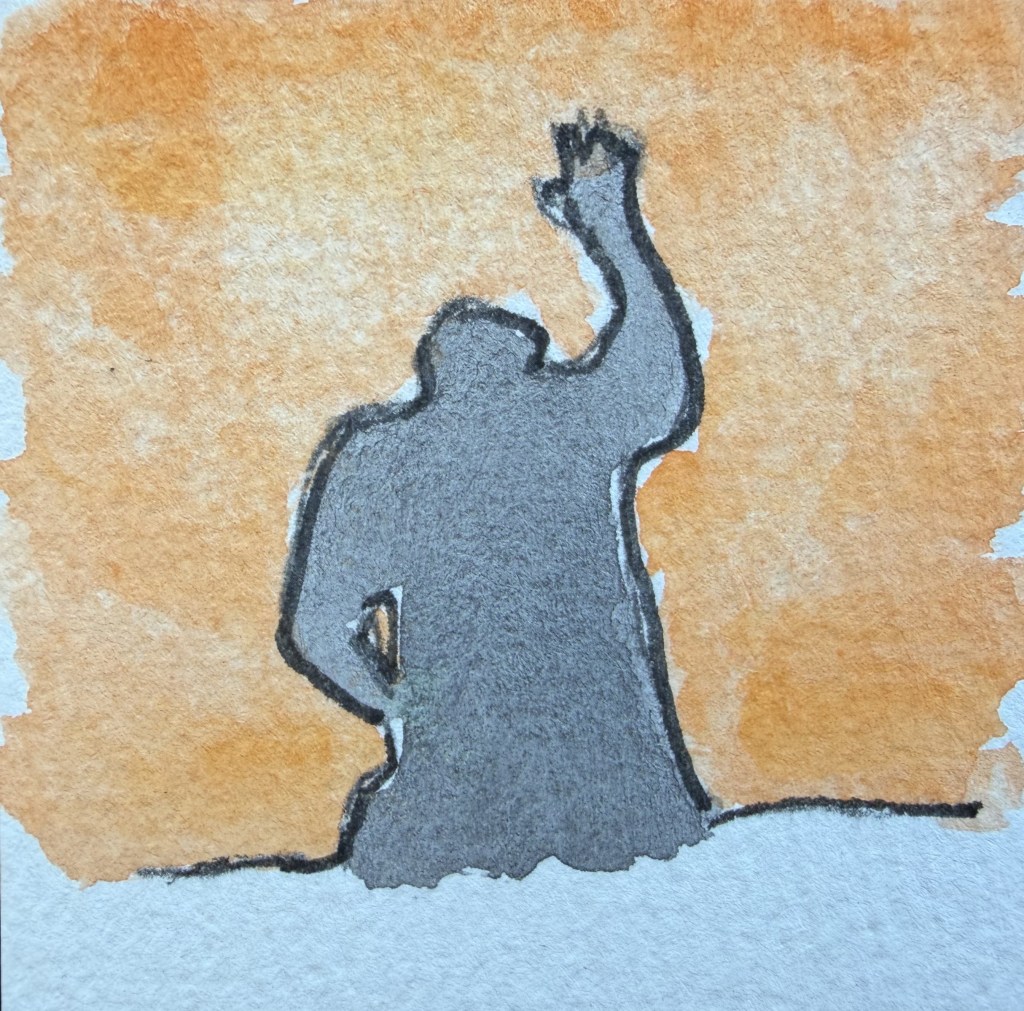
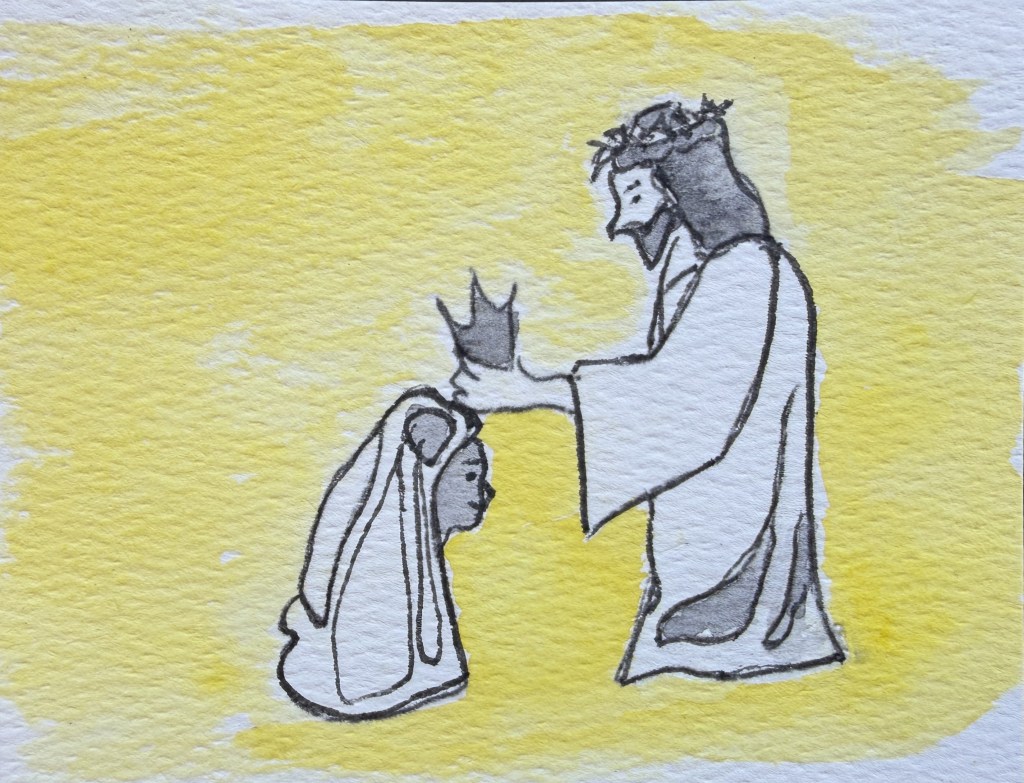
We learn in the pages of Scripture that the Bridegroom will come for His Bride. It is then that we will finally experience perfect union with God Almighty: No shame, no sin, no hiding. What was lost in Eden will be fully restored. The Bride of Christ, clothed in fine white linen, will stand purified—not because of her own righteousness, but because she has been cleansed by the blood of Jesus.
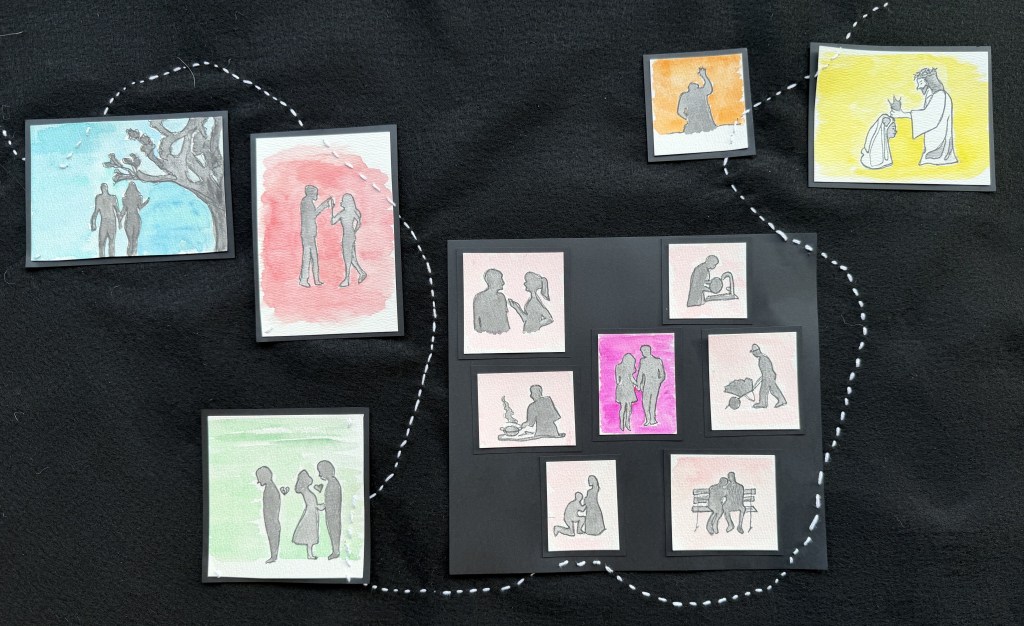
Throughout Scripture, the thread of marriage points beyond itself to a greater covenant—the faithful, unbreakable love between Christ and His people. This intimate covenantal bond will endure throughout eternity. The Bible begins with a marriage in a garden and ends with a marriage feast in a restored creation. From Eden to eternity, God has been drawing His people back to Himself.
Next Steps: Practical Application
Spiritual Practices
I love the imagery of God’s redeeming work. He takes garments stained and saturated by sin and transforms them into something pure and spotless. There is a profound irony in the fact that it is blood that washes away the stain of our guilt. The blood of the Lamb cleanses what nothing else could, turning scarlet into white as snow and preparing His Bride to stand before Him clothed in fine linen, bright and pure.
Read, ponder, and write in your journal about the meaning of each of these passages and how they apply to you. Ask the Lord to show you how these passages relate to you and to each other. My heart overflows in thankfulness at God’s redeeming work of cleansing us and purifying us.
“Purge me with hyssop, and I shall be clean; wash me, and I shall be whiter than snow.” Psalm 51;7
“I will sprinkle clean water on you, and you shall be clean from all your uncleanness… And I will give you a new heart, and a new spirit I will put within you.” Ezekiel 36:25-26
“And such were some of you. But you were washed, you were sanctified, you were justified in the name of the Lord Jesus Christ and by the Spirit of our God.” 1 Corinthians 6:11
“He saved us… by the washing of regeneration and renewal of the Holy Spirit.” Titus 3:5
“They have washed their robes and made them white in the blood of the Lamb.” Revelation 7:13-14
“Let us rejoice and exalt and give him the glory, for the marriage of the Lamb has come, and his Bride has made herself ready; it was granted her to clothe herself with fine linen, bright and pure—for the fine linen is the righteous deeds of the saints.” Revelation 19:7-8
“Christ loved the church and gave himself up for her, that he might sanctify her, having cleansed her by the washing of water with the word… so that he might present the church to himself in splendor, without spot or wrinkle or any such thing.” Ephesians 5:25-27
Emotional Practices
We get to move from hiding to openness. Adam and Eve hid from God and from one another in their shame. But in light of Jesus’ sacrificial death and resurrection, we can approach God with confidence, having been cleansed by the blood of the Lamb. We, His Bride, are welcomed into His presence. (Genesis 3:8–10; Hebrews 10:22)
Choose a time for this when you are not hurried. This is sacred soul work and shouldn’t be rushed.
Take a piece of paper and write down your fears, failures, disappointments, and anything else that weighs heavily on your heart. Don’t worry—no one else needs to see this. You can shred or burn the paper when you are finished.
One by one, bring each item into the open before the Lord. Don’t pretend. Don’t hide.
Tell Him about each one. He already knows.
Then ask Him:
“What part of my heart am I reluctant to bring into the light?”
Sit quietly in His presence and allow Him to reveal His love, grace, and forgiveness. Receive the cleansing that only He can give. Rest in the truth that because of Christ, you no longer need to hide.
Sit with Him and let Him heal your soul.
Mental Practices
Lies harm us and those around us. So, here’s our practice for today. We’re going to name the lie and replace it with truth.
Whatever lie is holding you back, that’s where you want to begin. Granted, there are probably many lies that keep us from living the abundant life God intends for us, but for now, just pick one.
Maybe it’s:
- “I’m unworthy.”
- “I need to look out for myself because no one else will.”
- “I need __________ to be happy.”
- “I’m not enough.”
Ask God to reveal the lie you fall for every time—hook, line, and sinker.
Then ask yourself:
What is the truth?
What does Scripture say about this lie?
Feel free to ask a trusted friend for help, search for Bible verses related to that topic, or check out the free resource on my Resources page where I’ve listed many common lies along with Scriptures that speak God’s truth over them.
Because what we believe shapes how we live. And when we replace lies with truth, we begin to step out of hiding and into the freedom Christ purchased for us.
https://purposefullydesigned.org/wp-content/uploads/2025/11/take-every-thought-and-emotion-captive-renounce-and-announce-and-emotional-movement-practice.pdf: Threads From Genesis to Revelation: From Adam’s Bride to Christ’s BrideEvery time you find yourself believing the lie, replace it with God’s truth. Little by little, your mindset will begin to shift and new patterns will take root. It takes intentional effort at first, but the freedom that comes from standing on the truth is worth it.
As we renew our minds with God’s Word, we move from shame to freedom, from hiding to openness, and from believing the accusations of the enemy to resting in the love of our Bridegroom.
Relational Practices
Sanctification often happens in the context of close relationships, especially when we seek to honor God in how we love others.
If you are married, your spouse is your nearest neighbor. They see your daily habits, your strengths, and your weaknesses. It can be easy to leave the best version of ourselves at the door when we come home, but that is not what God calls us to. He calls us to a higher way of living—a life of sacrificial love, humility, and honor toward one another.
A gentle warning: first prepare your own heart before the Lord. Ask Him to soften you, steady you, and make you ready to receive truth without defensiveness. Only then, approach your spouse and ask how you can love them better. Then listen.
Don’t argue. Don’t defend. Don’t explain or excuse past failures. Simply listen, and take what they share seriously as an opportunity to grow in love.
If you are not married, you can do this same exercise with a family member, close friend, or significant other.
Asking for honest feedback is not easy, but it can be deeply transformative. God often uses the closest relationships in our lives to shape us into the likeness of Christ.
Physical Practices
Question: what physical exercise do people do at weddings?
If you answered “dance,” ding ding ding—you win a prize.
Today’s physical practice is simple: Dance like no one is watching. You can do this with your kids or grandkids (trust me, it’s a great bonding moment), or wait until you have the house to yourself.
Turn up the music and dance before the Lord, remembering that the King of Kings and Lord of Lords loves you and is coming again to gather His Bride. That truth alone is worth celebrating.
And what better way to celebrate than to move your body in joy?
One of my 18-month-old granddaughter’s favorite songs does exactly this—every time she hears it, she lifts her hands and starts moving with pure, unselfconscious joy. It’s a beautiful picture of what Psalm 149:3 describes:
“Let them praise his name with dancing, making melody to him with tambourine and lyre!”
Seriously—how can you hear music like that and not raise your hands or move your feet?
Worship was never meant to be only internal. Sometimes it spills over into motion, into rhythm, into joy. Today, let your body join your praise.
Now, don’t you feel great! I dare you try it again.
“I won’t be quiet (or still), my God is alive, how can I keep it inside… Praise the Lord O my Soul!”

Leave a Reply